


 Share



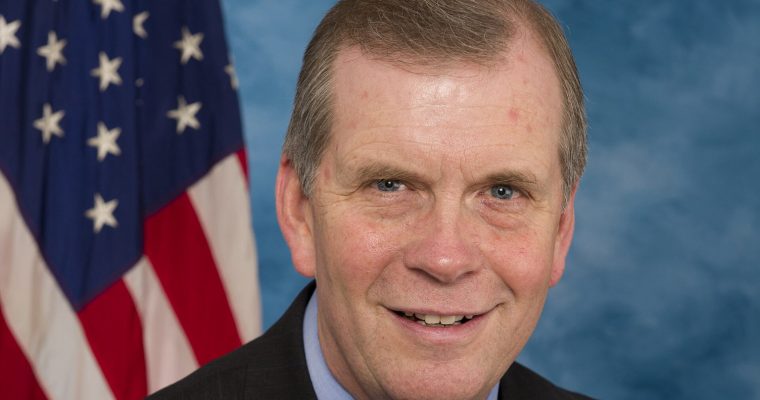
Michigan U.S. Rep. Tim Walberg asked experts at a House Education and Workforce Committee hearing how gambling addiction’s hidden nature affects universities’ efforts to identify students who need help.
In a hearing clip published by Forbes Breaking News, the Republican questioned Lindsey Mortenson about screening, referrals and the challenges of discussing gambling-related financial harm with students.
Hidden gambling problems can delay treatment
Walberg noted that gambling can be concealed from friends and family and asked how that should shape university education efforts.
“It’s invisible. There’s no blood test. There’s no brain scan,” Mortenson said, describing how gambling differs from alcohol and other drugs.
She said universities should rethink financial literacy because of gambling’s financial impact. Money can be difficult to discuss and a source of shame, she said, meaning gambling may not emerge until several clinical visits have taken place.
Mortenson described opening conversations by asking whether anything a student spends substantial time doing interferes with goals, relationships or school. Students may then mention gambling, sports betting, shopping, excessive internet use or social media.
Walberg asked whether students would respond to those questions before they were in serious trouble.
“Money is often the thing that brings people finally into treatment for gambling disorder,” Mortenson said. She added that treatment often begins late, sometimes when people are in crisis. Universities need to screen high-risk students for gambling disorder and problem gambling, she said, alongside expanded education and prevention.
Campus prevention starts with identifying gaps
Walberg also asked what universities could carry over from alcohol and drug prevention to gambling education.
Another witness described a risk-reduction approach that equips students with knowledge and skills to reduce harm. The witness said many students do not recognize sports betting as gambling, making identification of gambling activities an early educational priority.
Asked about a university’s most useful first step, a witness identified as Dr. Durkin recommended an environmental scan of campus services, gambling issues, awareness and gaps. Durkin said a campus task force had identified numerous gaps that needed attention.
If you or someone you know has a gambling problem, call 1-800-GAMBLER, which connects to Michigan’s Problem Gambling Helpline 24/7.
—
Source: As reported by Forbes Breaking News.


